
Adding skylights to your Toronto home is one of the most transformative upgrades you can make. Skylights flood interior spaces with natural light, reduce dependence on artificial lighting, improve ventilation, and add dramatic architectural interest to any room. Modern skylight technology has advanced remarkably, offering energy-efficient designs that perform beautifully through Toronto’s extreme climate.
In this comprehensive guide, Universal Roofs explores the benefits, costs, types, and installation considerations for skylights in Greater Toronto Area homes.
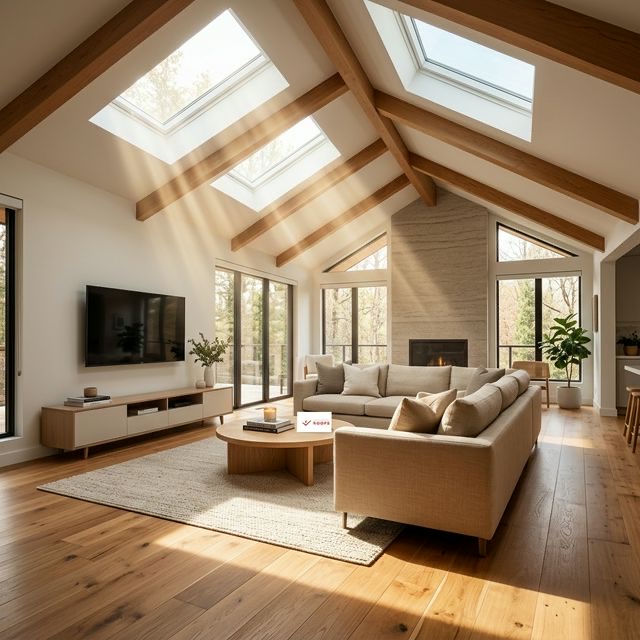
Top Benefits of Skylights for Toronto Homes
Skylights offer a unique combination of practical and aesthetic advantages that few other home improvements can match:
| Benefit | Details | Impact on Toronto Homes |
|---|---|---|
| Natural Light | Skylights admit 30% more light than vertical windows of the same size | Transforms dark hallways, stairwells, and north-facing rooms common in Toronto row houses and semi-detached homes |
| Energy Savings | Reduces artificial lighting during daylight hours by 50-80% | Lower hydro bills year-round; especially valuable during Toronto’s short winter days |
| Ventilation | Venting skylights create natural stack ventilation (hot air rises and exits) | Reduces AC usage in summer; removes moisture from kitchens and bathrooms |
| Home Value | Skylights increase home value by 3-5% according to real estate studies | In Toronto’s competitive market, this can mean $30,000-$75,000 in added value |
| Health and Wellness | Natural light improves mood, sleep quality, and vitamin D production | Critical during Toronto’s dark winter months (November-March) |
| Aesthetic Impact | Creates dramatic ceiling features, stargazing opportunities, and connection to sky | Transforms ordinary rooms into extraordinary spaces |
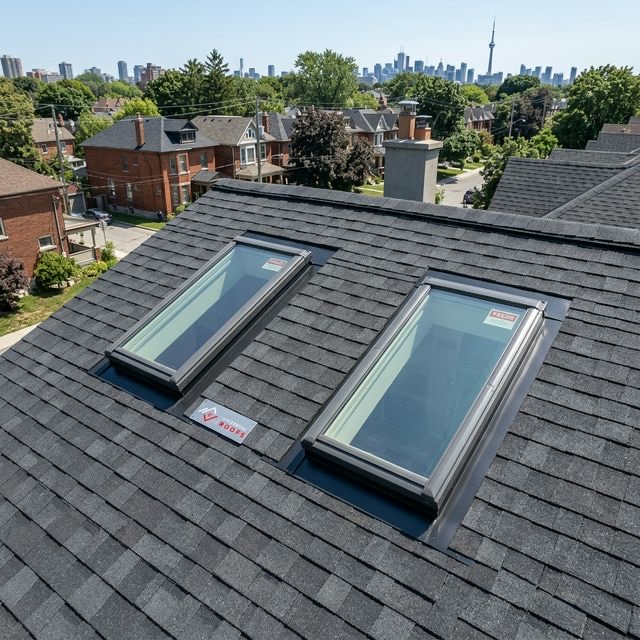
Types of Skylights Available in Toronto
Modern skylights come in several configurations, each suited to different applications and budgets:
| Skylight Type | Operation | Best For | Price Range (installed, Toronto) |
|---|---|---|---|
| Fixed Skylight | Non-opening, light only | Hallways, stairwells, living rooms — anywhere natural light is primary goal | $1,200 – $2,500 |
| Venting Skylight (Manual) | Hand crank or push-bar opens for ventilation | Kitchens, bathrooms, bedrooms — reachable height | $1,800 – $3,500 |
| Venting Skylight (Electric/Solar) | Remote control or rain sensor automatic operation | High ceilings, cathedral ceilings, hard-to-reach locations | $2,500 – $4,500 |
| Tubular Skylight (Sun Tunnel) | Reflective tube channels light from roof to ceiling | Closets, hallways, interior bathrooms with no direct roof access | $800 – $1,500 |
| Custom Architectural Skylight | Custom-sized, multi-panel, or specialty shapes | Modern homes, additions, architectural statements | $4,000 – $15,000+ |
Universal Roofs is a certified VELUX installer — the world’s leading skylight manufacturer known for superior quality, energy efficiency, and industry-leading warranties.
Skylight Energy Efficiency in Toronto’s Climate
A common concern about skylights is energy efficiency — will they cause heat loss in winter or excessive heat gain in summer? Modern skylights address both concerns through advanced glazing technology:
| Feature | How It Works | Toronto Climate Benefit |
|---|---|---|
| Double-Pane Argon Gas | Argon gas between panes reduces heat transfer | Reduces winter heat loss by 30-40% vs. single pane |
| Triple-Pane Glazing | Three glass layers with gas fill for maximum insulation | Best option for Toronto — R-value comparable to wall insulation |
| Low-E Coating | Microscopically thin metallic coating reflects radiant heat | Keeps heat inside in winter, reflects solar heat in summer |
| Heat-Absorbing Tint | Glass tint absorbs solar radiation before it enters | Reduces summer heat gain on south and west-facing roof slopes |
| Exterior Blinds/Shades | Motorized or manual exterior or interior shade systems | Full control over light and heat gain year-round |
Energy Star-rated skylights are specifically designed for Canadian climate zones. In Toronto (Zone 6), look for skylights with a U-factor of 1.40 or lower and a Solar Heat Gain Coefficient (SHGC) appropriate for your roof slope orientation.
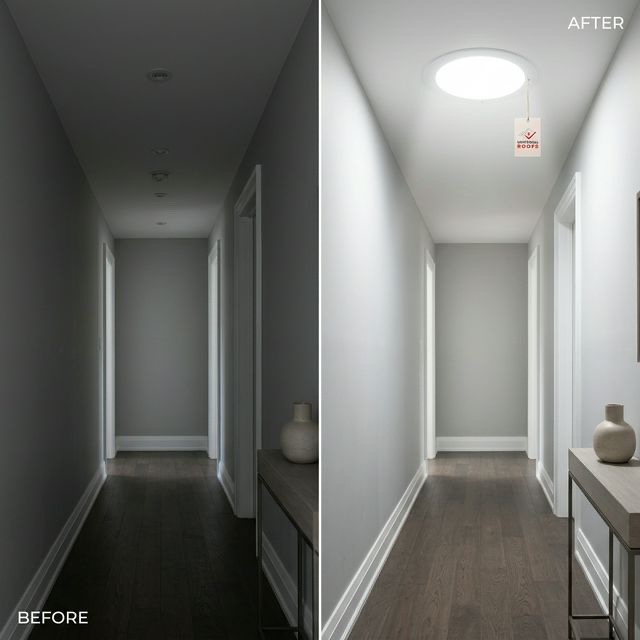
Where to Install Skylights in Your Toronto Home
Strategic placement maximizes the benefits while minimizing potential issues. Here are the best locations and orientations for Toronto homes:
- North-Facing Slopes: Provide consistent, soft, diffused light throughout the day without direct sun glare or excessive heat gain. Ideal for home offices, art studios, and living rooms where glare-free light is desired.
- South-Facing Slopes: Maximum solar gain — beneficial for passive heating in winter but requires shading solutions for summer. Best paired with exterior blinds or heat-absorbing glass. Great for maximizing free heat during Toronto’s winters.
- Kitchens: Natural light over cooking and food preparation areas. Venting skylights remove cooking moisture, heat, and odours naturally.
- Bathrooms: Venting skylights are ideal for bathroom moisture removal. They provide bright natural light while maintaining privacy (no need for frosted glass since they face the sky).
- Stairwells and Hallways: These typically windowless spaces benefit enormously from fixed skylights. A single skylight at the top of a stairwell can illuminate the entire staircase naturally.
- Master Bedrooms: Stargazing from bed has enduring appeal. Use electric venting skylights with blackout blinds for complete control over light and ventilation.
The Skylight Installation Process
Professional skylight installation is a precision operation that involves both roofing and interior finishing work. Here is what to expect:
- Site Assessment: A professional inspection of the roof structure, attic space, and interior ceiling to determine the optimal skylight size, location, and any structural modifications needed. We check for rafters, wiring, plumbing, and ductwork that may need to be rerouted.
- Structural Preparation: If the skylight spans more than one rafter bay, headers must be installed to transfer the load around the opening. This is standard carpentry that your installer handles.
- Roof Opening: The opening is cut through the roofing material and decking. Existing shingles are carefully removed around the opening perimeter to allow proper flashing integration.
- Flashing and Waterproofing: This is the most critical step. A multi-layered flashing system integrates the skylight frame with the surrounding roofing system. Proper step flashing, counter flashing, and ice and water shield membrane ensure a watertight installation that performs through decades of Toronto weather.
- Skylight Installation: The skylight unit is set into the prepared opening, levelled, fastened, and sealed. All connections are tested for proper operation (venting models).
- Interior Finishing: The light shaft (if needed) is framed, insulated, drywalled, and painted to create a clean, finished appearance from inside the home.
- Final Inspection: Leak testing, operation testing (venting models), and thorough cleanup.
Skylight Costs in the Greater Toronto Area (2026)
| Service | Cost Range (GTA 2026) | Includes |
|---|---|---|
| Fixed Skylight (standard size, new installation) | $1,200 – $2,500 | Skylight unit, flashing kit, roofing integration, basic interior finishing |
| Venting Skylight (electric/solar, new installation) | $2,500 – $4,500 | Skylight unit, flashing, wiring, remote control, rain sensor |
| Tubular Skylight / Sun Tunnel | $800 – $1,500 | Tube assembly, roof cap, ceiling diffuser |
| Skylight Replacement (existing opening) | $1,500 – $3,000 | New skylight, new flashing, resealing, interior touch-up |
| Skylight Repair (leak fix, seal replacement) | $300 – $1,000 | Diagnose leak, reseal, replace flashing or gaskets |
| Custom Multi-Panel Installation | $8,000 – $20,000+ | Engineering, structural modification, multiple units, premium finishing |
Common Skylight Concerns Addressed
Homeowners often hesitate about skylights due to concerns that are largely addressed by modern technology and proper installation:
- “Skylights always leak”: This reputation comes from 1980s and 1990s-era skylights with poor flashing systems. Modern VELUX skylights with engineered flashing kits have a leak-free track record when properly installed. The key is professional installation by a certified installer — DIY skylight installations account for the vast majority of leak complaints.
- “Skylights cause ice dams”: Heat escaping through a poorly insulated skylight shaft can melt snow on the roof above, contributing to ice dam formation. Proper insulation of the light shaft and adequate attic ventilation prevents this issue entirely.
- “Skylights are too hot in summer”: Modern Low-E coated glass, interior and exterior blinds, and proper orientation (north-facing for minimal heat gain) eliminate the “greenhouse effect” concern. Electric blinds can be programmed to close automatically when interior temperature rises.
- “Condensation on skylight glass”: Some condensation on cold winter mornings is normal and not a sign of malfunction. It indicates high humidity levels in the home. Venting skylights help manage this by allowing moisture to escape. Persistent condensation may indicate failed glazing seals requiring service.
Skylight Maintenance Requirements
Skylights require minimal maintenance but benefit from periodic attention:
- Annual Exterior Inspection: Check flashing, seals, and the glass surface for damage during your regular roof inspection.
- Clean Glass: Clean exterior glass 1-2 times per year using mild soap and water. Many modern skylights have self-cleaning glass coatings that break down organic deposits with UV light.
- Check Weatherstripping: On venting skylights, inspect the gasket seal around the opening sash every 2-3 years. Replace if cracked or compressed.
- Lubricate Hardware: On manual venting skylights, lubricate the crank mechanism annually with silicone spray.
- Clear Snow: Heavy snow accumulation blocks light and adds weight. A soft-bristled roof rake can gently clear snow from accessible skylights.
Skylight Replacement: When to Upgrade Your Existing Skylights
If your Toronto home already has skylights that are showing their age, skylight replacement is often a smarter investment than ongoing repair. Here are the indicators that replacement is the right choice:
- Persistent Condensation Between Panes: Fog or moisture between the glass layers indicates failed glazing seals. The insulating gas has escaped, dramatically reducing energy efficiency. The glass unit must be replaced — this is not a sealant repair.
- Recurring Leaks After Repair: If your skylight has been repaired for leaking more than twice, the fundamental flashing integration has likely failed and needs to be completely redone — which is most cost-effectively accomplished by replacing the entire skylight with a modern unit and new flashing kit.
- Age Over 20 Years: Skylight technology has advanced dramatically. A modern VELUX unit with triple-pane Low-E glass, argon fill, and engineered flashing will dramatically outperform a 20-year-old unit in energy efficiency, waterproofing, and operation.
- Yellowed or Scratched Acrylic Domes: Older skylights often used acrylic dome covers that yellow with UV exposure and become scratched over time, reducing light transmission and aesthetic appeal. Modern glass skylights do not yellow.
- During a Roof Replacement: If you are already replacing your roof, this is the ideal time to replace old skylights. The cost is significantly lower because the roofing materials around the skylight are already being removed, eliminating the most expensive part of a standalone replacement.
Skylight and Toronto Building Permits
In Toronto, skylight installation typically requires a building permit if the work involves structural modification (cutting or moving rafters) or significant changes to the roof structure. Simple same-size replacements of existing skylights generally do not require permits. Your installer should confirm permit requirements for your specific project and handle the application process.
All electrical work associated with electric venting skylights must be performed by a licensed electrician and inspected by the Electrical Safety Authority (ESA). Universal Roofs coordinates all permitting and electrical work as part of our full-service skylight installation package.
How much does skylight installation cost in Toronto?
Professional skylight installation in Toronto costs $1,200 to $4,500 per skylight depending on type and size. Fixed skylights start at $1,200 installed, manual venting skylights at $1,800, and electric/solar venting skylights at $2,500. Custom and multi-panel installations range from $8,000 to $20,000+. Contact Universal Roofs for a detailed quote.
Do skylights leak?
Modern skylights from reputable manufacturers like VELUX, when professionally installed with proper engineered flashing systems, do not leak. The vast majority of skylight leak reports are traced to improper installation, typically DIY projects or uncertified installers who failed to properly integrate the flashing with the surrounding roofing system. Always use a certified skylight installer like Universal Roofs.
Will skylights make my house too hot in summer?
No, when properly specified and optioned. Modern Low-E coated glass significantly reduces solar heat gain, and optional interior or exterior blinds provide complete heat control. North-facing skylights provide beautiful light with minimal heat gain. South and west-facing installations should include heat-reducing glass and blinds. Your installer will recommend the right glass and shading options for your specific orientation.
Can you install a skylight on a flat roof?
Yes. Flat roof skylights use a curb-mounted design that raises the skylight above the roof surface for proper drainage. Flat roof skylight installations require extra attention to waterproofing around the curb and are best done in conjunction with flat roof membrane work to ensure seamless integration.
How long do skylights last?
Quality skylights from manufacturers like VELUX last 20 to 30 years with proper installation and minimal maintenance. The glass itself can last indefinitely, but seals, gaskets, and flashing components may need replacement or resealing after 15 to 20 years. If your skylight is more than 20 years old and showing signs of condensation or leaking, skylight replacement is recommended rather than ongoing repair.
Do skylights add value to a home in Toronto?
Yes. Real estate studies consistently show that skylights increase home value by 3 to 5 percent, and Toronto real estate agents report that well-placed skylights are a strong selling feature. In Toronto’s market, this could mean $30,000 to $75,000 in added value on a typical home — far exceeding the $2,000 to $5,000 installation cost per skylight.
Ready to transform your home with natural light? Contact Universal Roofs for a free skylight consultation. As certified VELUX installers, we provide expert guidance on placement, product selection, and professional installation that is guaranteed watertight. Serving the entire Greater Toronto Area. Call (416) 732-2421.